How to Find a Pizza Restaurant With the Best Atmosphere

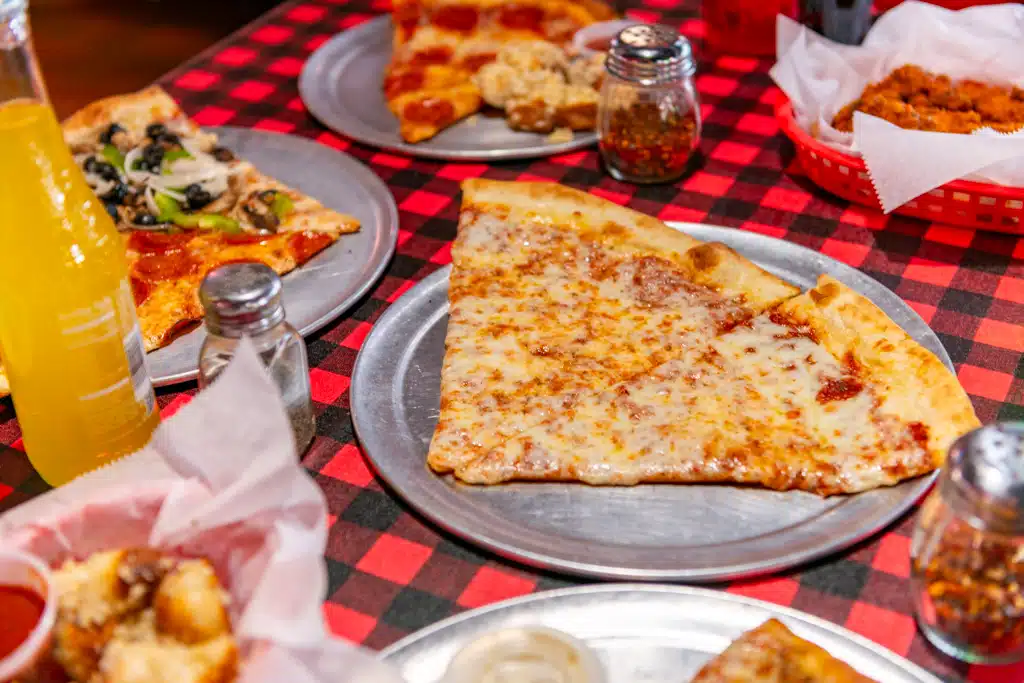
Finding a great pizza restaurant is easy if all you want is a decent crust and enough cheese. Finding one with the right atmosphere takes a sharper eye. The room matters as much as the pie when you are planning a first date, a family dinner, a catch-up with friends, or even a solo meal at the bar after a long week. I have eaten in enough pizza places to know that atmosphere is rarely an accident. It is built, or neglected, through dozens of small choices that shape how a place feels the moment you walk in.
People often talk about atmosphere as if it were something vague or purely personal. It is not. You can assess it. A pizza restaurant with a strong atmosphere usually gets the basics right, then adds enough character to feel memorable without trying too hard. The lighting, noise level, seating layout, service style, pace of the room, smell from the oven, and even the spacing between tables all tell you what kind of experience you are about to have.
The trick is that the “best” atmosphere depends on what you need from the meal. A lively neighborhood spot full of kids, servers balancing trays, and music bouncing off tile floors can be perfect on a Friday night. The same place might be a poor choice for a quiet business dinner. The smartest diners do not ask, “Is this a good pizza restaurant?” They ask, “Is this the right pizza restaurant for this occasion?”
Start with the mood you actually want
Most bad restaurant choices begin before anyone leaves the house. Someone says they want pizza, everyone agrees, then the group picks a place based on ratings, proximity, or photos of the food. Ten minutes into the meal, they realize they are shouting over the music, crammed elbow-to-elbow with another table, or sitting in a room so dim they can barely read the menu.
Before you look at reviews, get specific about the mood. Do you want energetic or calm? Casual or polished? Family-heavy or adult-friendly? Fast-moving or lingering? Once you define that, your search becomes much more accurate.
A college-town slice shop can be excellent, but if you are hoping for a relaxed anniversary dinner, its atmosphere may work against you. On the other hand, a stylish wood-fired spot with candlelight and natural wine may disappoint a group of hungry teenagers who just finished a game and want a loud, easy meal with pitchers of soda. Atmosphere only feels “wrong” when it clashes with purpose.
I often suggest thinking in terms of friction. The best atmosphere removes friction from the kind of night you want to have. You do not have to work to enjoy yourself. Conversation flows at the volume the room supports. Seating feels appropriate to how long you plan to stay. The staff meets you at the right energy level. If you have to fight the room, the atmosphere is not helping.
Photos tell part of the story, but not the useful part
Online photos are a starting point, not a verdict. Restaurants usually post their best angles: the glowing oven, the beautiful margherita, the one banquette under flattering light. What photos rarely reveal is how a room sounds when it is half full, whether the tables are packed so tightly that every private conversation becomes public, or whether the cheerful industrial design translates into harsh acoustics.
Look at customer photos more than branded ones. Those images tend to show the room as it actually exists on an average night. Pay attention to ceiling height, hard surfaces, spacing between tables, and whether diners look relaxed or braced for impact. If every photo shows people leaning in close to hear each other, that is a clue. If no dining room photos appear after months of posts, that can also be revealing. Restaurants are usually proud of atmosphere when they have it.
Timing matters when reading photos. A place that looks cozy at 5:30 may turn chaotic at 7:30. Some pizza restaurants operate almost like two different businesses over the course of an evening. Early service can feel neighborly and easygoing. Prime time can turn into a waiting crowd near the host stand, delivery drivers weaving through the entrance, and a room that feels more transactional than inviting.
The first sixty seconds usually tell the truth
You can learn almost everything you need in the first minute after arrival. This is true in polished city restaurants and family-run neighborhood places alike. Atmosphere is often most visible before you sit down, when nothing has been filtered by your own comfort yet.
Watch the entrance. Is there a crush of people with nowhere to stand? Does the host greet people with control, warmth, and a clear system, or does the front feel flustered? A strong atmosphere begins with a sense of ease. Even a busy room can feel composed if the restaurant has figured out traffic flow.
Then pay attention to the sensory mix. You want to smell food, especially if there is a real pizza oven in use. You do not want to be hit by stale fryer oil, disinfectant, or an overpowered scented candle trying to cover another problem. You want energy in the soundscape, but not so much chaos that every plate drop jerks the room’s attention. You want lighting that flatters people and food without forcing your eyes to adjust every few seconds.
One of the best signs is when the room feels active but not frantic. Servers move with purpose. Guests seem settled rather than restless. The soundtrack supports the mood instead of dominating it. Even if there is a wait, people look willing to stay.
What makes a pizza restaurant feel special
Pizza restaurants have a built-in atmospheric advantage over many other dining formats. They are tied to warmth, sharing, and ritual. A good pizza restaurant can lean into that naturally. The oven becomes theater. A pie landing at the table creates an instant focal point. Slices being passed around shift the energy from individual ordering to communal eating. When the room is designed around that kind of generosity, atmosphere becomes easier to create.
The best places understand this and build around comfort without becoming dull. Maybe there is a visible dough station. Maybe the bar has enough life to support solo diners without turning the whole place into a sports bar. Maybe the playlist is upbeat but not punishing. Maybe the tables are set close enough to feel convivial, but not so close that you become part of the next party’s argument.
I have had excellent pizza in rooms that were plain, almost austere, but still deeply appealing because the place had confidence. Clean lines, attentive service, a hot oven, and the smell of blistering crust can be enough. On the other hand, I have been in heavily designed spaces with neon slogans, imported tile, and dramatic lighting that still felt lifeless because the service was detached and the room was built for social media before comfort.
Atmosphere is not decoration alone. It is decoration plus behavior.
Service style changes the room more than most owners realize
If you want to judge atmosphere accurately, watch the staff. Design gets attention because it photographs well, but service determines how the space is experienced. Warm, alert staff can rescue an ordinary room. Disengaged staff can flatten even a beautiful one.
In a strong pizza restaurant, service should match the concept. At a casual counter-service spot, staff should keep things moving without making guests feel processed. At a full-service neighborhood restaurant, pacing matters. You do not want your salad and pizza arriving as if the kitchen is trying to turn the table in twenty minutes, unless that is the stated style of the place. If a restaurant encourages sharing and lingering, the service should allow for that rhythm.
One practical clue is how the staff handles small interruptions. When a child drops a fork, when someone asks for a side plate, when a guest wants advice on pie size, does the response feel practiced and calm? Those moments reveal the emotional temperature of the room. A restaurant with good atmosphere tends to make diners feel taken care of without making a performance of it.
I remember a modest local place with mismatched chairs and a slightly cramped dining room. On paper, it should not have outperformed trendier competitors. Yet people loved it because the service created a sense of belonging. The staff remembered returning guests, paced meals well, and knew when to chat and when to disappear. The room felt alive in the best sense. That is atmosphere you cannot buy from a design catalog.
Noise is not the same as energy
This is the mistake I see most often. Restaurants confuse volume with vitality. Many diners do too, at least until the second round of drinks fails to solve the fact that nobody can hear across the table.
Pizza restaurants are especially vulnerable here because hard surfaces are common. Tile, metal chairs, open kitchens, big windows, and exposed ceilings can all look appealing while creating a room that bounces sound everywhere. Add family groups, delivery pickups, and an energetic playlist, and the result can become exhausting.
A lively pizza restaurant should still allow normal conversation. If you need to lean halfway across the table to speak at dinner volume, the room is too loud for most occasions. There are exceptions. A game-day sports pizza place may intentionally run louder, and that can work if guests know what they are signing up for. But if a restaurant claims to offer a cozy, date-friendly experience while making communication difficult, it is failing a basic atmospheric test.
When in doubt, call and ask what the room is like at the hour you plan to visit. A good host will usually answer honestly. “It gets pretty lively after seven” is useful information. So is “The patio is much quieter than the main room” or “If you want a calmer experience, come a little earlier.”
Seating can make or break the night
People underestimate seating because they focus on food first. Yet where and how you sit strongly shapes your impression of a restaurant. A pizza place can serve a terrific pie, but if the seats are too hard, the tables too small, or the stools too backless for a long meal, the atmosphere suffers.
Booths generally create privacy and comfort. Banquettes can do the same if they are not so low that diners feel trapped at the edge of the table. Standard two-tops need enough space for a pizza, plates, drinks, and any starters without turning the table into a balancing act. This sounds obvious, but many stylish places ignore it. A twelve-inch pie on a tiny marble top quickly becomes less romantic than the website suggested.
Bar seating deserves separate mention. In the right pizza restaurant, the bar is one of the best places to judge atmosphere. You can watch service, kitchen coordination, and regular-customer behavior in real time. A healthy bar scene often signals that the restaurant works not just as a destination, but as part of people’s routines. That is usually a good sign.
Outdoor seating is more complicated. A patio can improve atmosphere dramatically, especially in mild weather. It can also inherit street noise, poor lighting, unstable furniture, and inattentive service if the staff is stretched. The fact that a place has outdoor seating does not mean the atmosphere outside is better than inside. It depends on layout and management.
Neighborhood matters, but not in the obvious way
A pizza restaurant does not exist in isolation. Its surroundings influence the atmosphere before you even open the door. A place tucked into a residential block may feel calmer and more rooted in its community than an equally good restaurant on a loud entertainment strip. A downtown storefront might offer excitement and people-watching, but also parking stress and a revolving-door crowd.
This is not simply about safety or convenience. It is about emotional carryover. If guests arrive frustrated from circling for parking, jostled by sidewalk crowds, or squeezed into a tiny waiting area because the whole street is slammed, the atmosphere inside has to work much harder to restore balance.
By contrast, some of the most inviting pizza restaurants benefit from a gentle runway. You walk past a few local shops, maybe see families heading home, smell the oven before you enter, and the evening starts to settle into place. The transition into the meal feels natural.
That does not mean quieter neighborhoods always win. A city-center pizza restaurant can be electric in the right way. It just needs to handle that energy with intention, clear reservations, organized waiting space, fast greeting, and a room design that absorbs rather than amplifies outside stress.
Reviews are useful if you read between the lines
Star ratings alone tell you very little about atmosphere. Read actual comments, especially the ones that mention how people felt rather than just what they ate. Look for repeated themes. If several reviewers mention that the room is deafening, the service is rushed, or the patio feels far better than the main dining area, those patterns matter.
At the same time, treat isolated complaints carefully. One diner’s “too loud” may be another diner’s “great energy.” One person’s “slow service” may reflect a packed Saturday night at a place that is worth visiting on a weekday. Atmosphere is partly subjective, but consistency still shows through.
These are the details I would pay closest attention to when scanning reviews:
- whether guests mention staying for dessert or another drink, which often signals comfort
- whether couples, families, and solo diners all seem to fit naturally in the space
- whether complaints focus on layout, noise, or crowd management rather than food alone
- whether regulars speak about the restaurant with affection, not just approval
- whether people describe the place differently by time of day or day of week
That last point is especially important. A pizza restaurant can have a strong lunchtime atmosphere for quick meals and a very different dinner atmosphere built around social dining. Neither is better by default. You just want to know which one you are choosing.
When a busy room is worth it, and when it is not
Some of the best atmosphere I have encountered came from places that were undeniably crowded. The distinction is whether the crowd contributes to the charm or simply exposes poor planning. A packed dining room can feel festive, even magnetic, when the wait is managed well, the staff stays composed, and the room still allows for pleasure. It feels punishing when every bottleneck gets blamed on popularity.
You https://marcocpwt423.rivetgarden.com/posts/how-a-pizza-restaurant-uses-fresh-dough-to-win-customers can usually spot the difference fast. In a good busy room, people waiting still look optimistic. Orders arrive with a steady rhythm. Tables turn without seeming rushed. In a bad busy room, guests hover awkwardly over seated diners, servers have to sidestep bodies at every turn, and nobody appears fully relaxed.
There is also a difference between scarcity and hype. A small pizza restaurant with limited seating may be genuinely worth a wait because the experience inside feels intimate and distinctive. A bigger place that constantly overbooks may simply be manufacturing demand at your expense. Atmosphere should not depend on making guests tolerate avoidable discomfort.
A short test before you commit
If you are choosing a new pizza restaurant for an important meal, give yourself a simple screening process. It takes five minutes and usually saves frustration.
- check recent customer photos, not just the restaurant’s own images
- read ten to fifteen reviews that mention noise, service, or the dining room
- look at the menu format and price point, which often hint at pacing and clientele
- call if you have a specific need, such as a quiet corner or outdoor seating
- if possible, arrive ten minutes early and assess the room before being seated
This approach is especially useful when planning around edge cases. Maybe you are dining with an older relative who struggles with noise. Maybe you are bringing young children and need a place where a little mess and movement will not feel disruptive. Maybe you are meeting someone for the first time and want a room that supports conversation without feeling stiff. Those details matter more than whether the place has a famous burrata starter.
The atmosphere you remember is usually the one that felt effortless
The pizza restaurants people return to are not always the most stylish, the most expensive, or the most acclaimed. They are often the places where the room, food, and service align so cleanly that the evening feels easy. You sit down, settle in, share a pie, and notice only later how smoothly everything worked.
That kind of atmosphere is hard to fake. It comes from operators who understand that guests do not experience a restaurant in separate categories. They do not divide the night into decor, food, acoustics, hospitality, and table spacing. They experience one continuous feeling. Either the place carries them along, or it makes them work.
If you want the best atmosphere in a pizza restaurant, trust your senses, but sharpen them with purpose. Know the mood you want. Read beyond the photos. Watch the room in motion. Notice the service. Listen to the noise level. Ask whether the space supports the way you hope to spend the next ninety minutes.
The best pizza restaurant for atmosphere is rarely the one shouting loudest for your attention. More often, it is the one that understands exactly what kind of room it wants to be, then delivers that experience with confidence, consistency, and enough warmth to make you want to come back next week.
RUFFRANO'S HELL'S KITCHEN PIZZA Security
385 Main St, Colorado Springs, CO 80911
(719) 390-4355
FAQ About pizza restaurant
Is there a Hell's Kitchen pizza restaurant in Security-Widefield?
Yes. Ruffrano's Hell's Kitchen Pizza has a Security-Widefield location at 385 Main St.
Where can I find pizza delivery in Security-Widefield?
Ruffrano's Security location offers online ordering. Enter your address at checkout to check delivery availability and fees.
Where can I find gluten-free pizza in Security-Widefield?
Ruffrano's menu lists a 12-inch gluten-free option. Call the Security location to confirm availability and ask about shared equipment if cross-contact is a concern.
Ends · ALEXISJIQX213